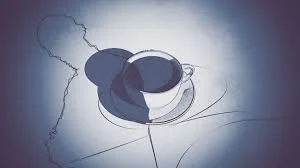
The Silence of Domestic Spiking
“It’s like the banality of evil, isn’t it? It’s like what goes on in people’s houses. He basically destroyed me up to a certain point, and I was like a shell of a person, but he didn’t finish me off.” - Alice*
I had been following the case of Gisèle Pelicot when one line stopped me: 42 percent of credible reports of drug-facilitated sexual assault in 2021 took place in private spaces. Forty-two percent is high.
It made me wonder what was happening here in the UK, how many people are being spiked and abused in their own homes and what the government is doing about it?
I decided to find out and sent Freedom of Information requests to the institutions I thought would have the answer. What I found was this: the government doesn’t know the scale of the problem - because it doesn’t adequately record it. I took the data to Channel 4 News who commissioned my story.
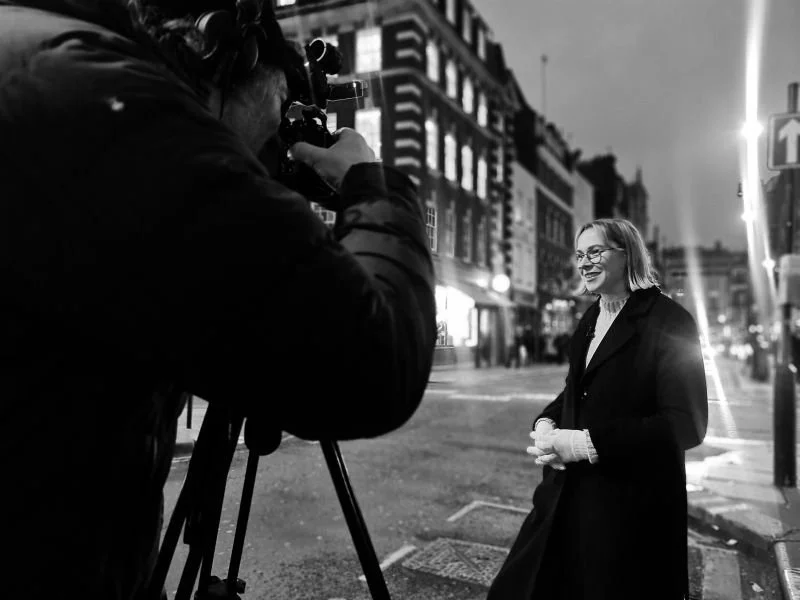
Working with correspondent Ria Chatterjee, we travelled across the country speaking to charities, campaigners, and experts in the field of spiking and domestic abuse. Dr. Amy Burrell works at the University of Birmingham. She's a leading researcher in sexual violence and sits on the board of Stamp Out Spiking. Amy helped me interpret the data that I'd found.
I also discovered Alice*, who bravely agreed to tell her story anonymously.
For months, Alice said she felt unwell. Her doctor could not explain her symptoms.
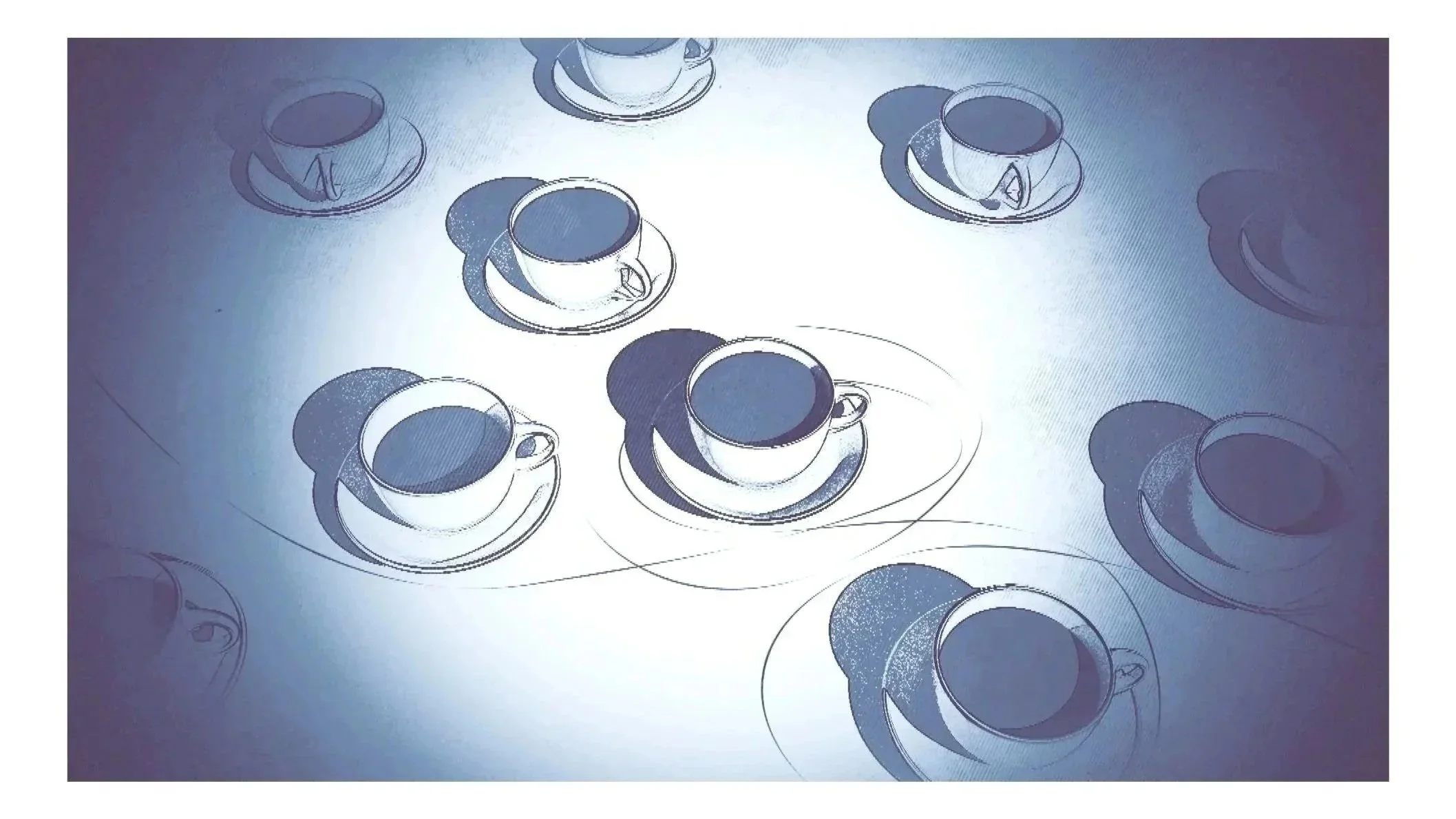
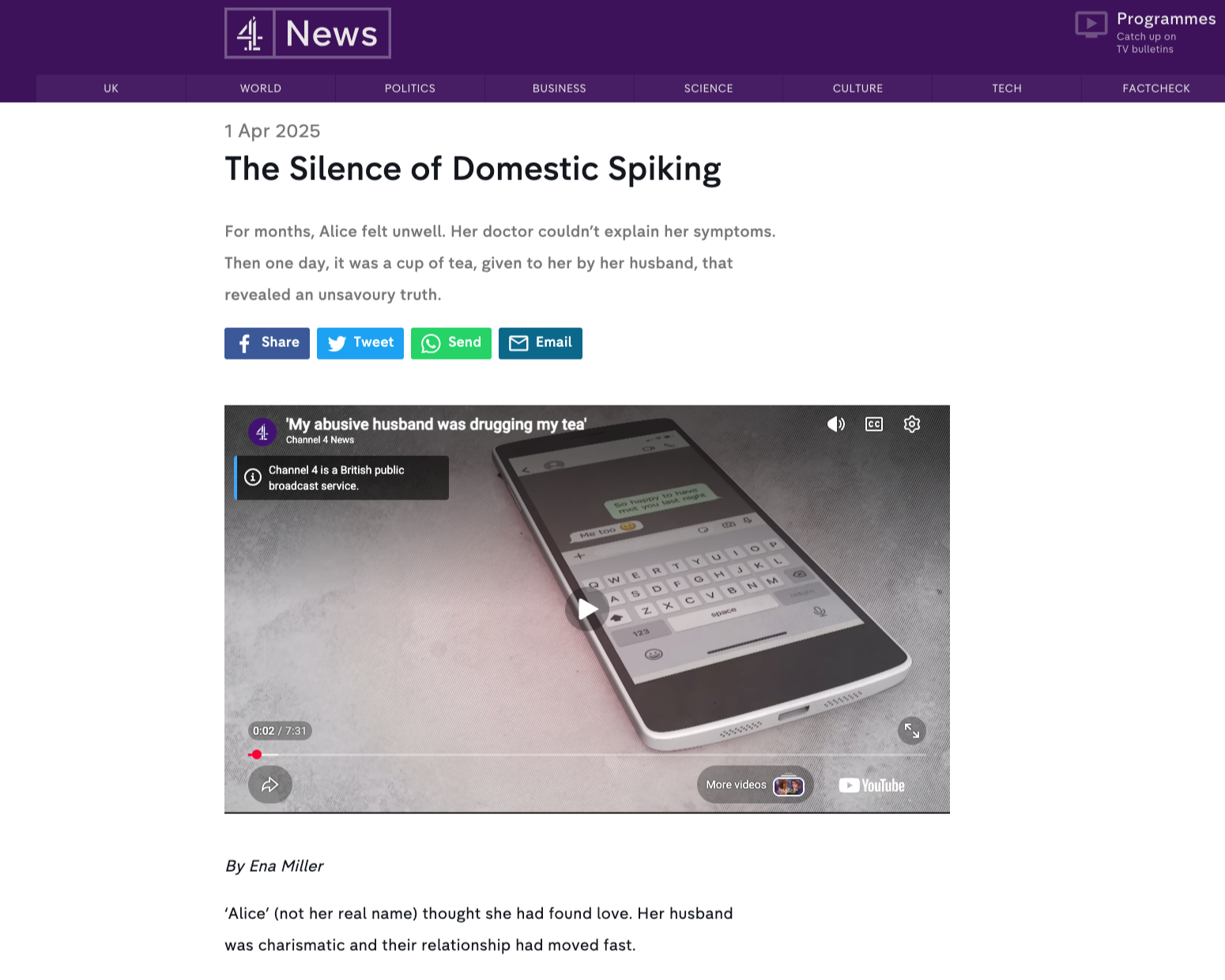
Then, one day, a cup of tea given to her by her husband revealed an unsavoury truth. It tasted terrible and when she confronted him, he laughed it off. She remembers him telling her how stupid she was for not noticing that he had been spiking her tea with drugs for ages.
Dr Amy Burrell
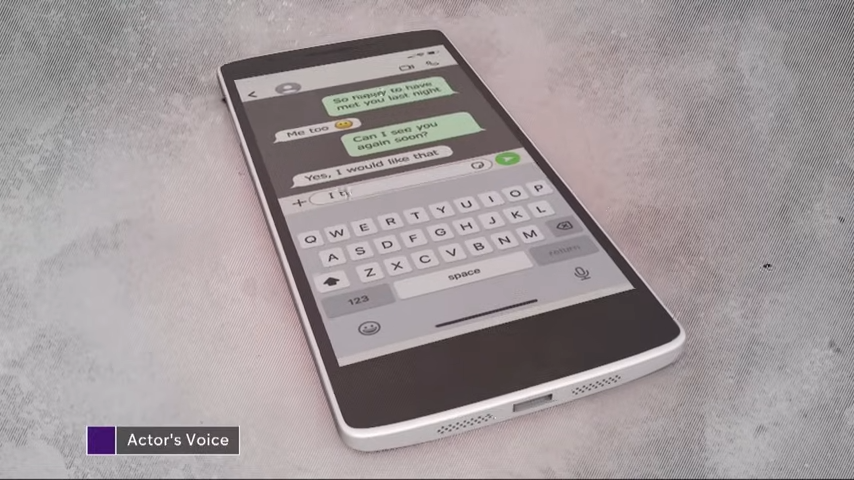
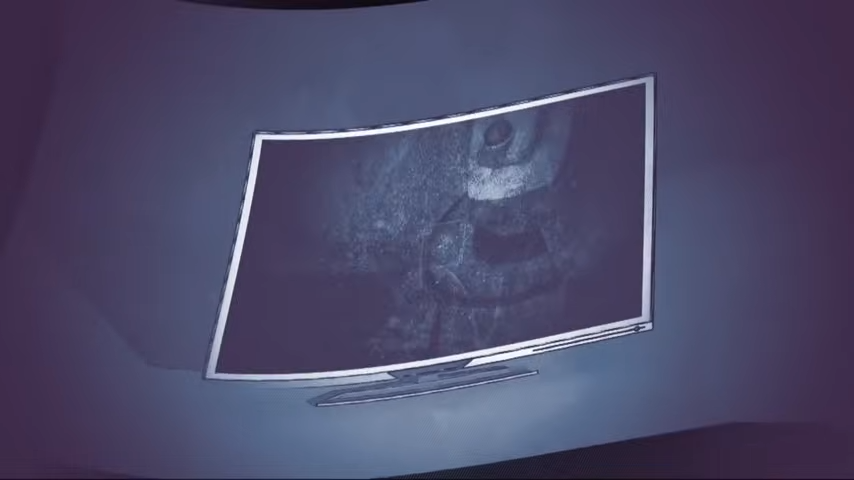
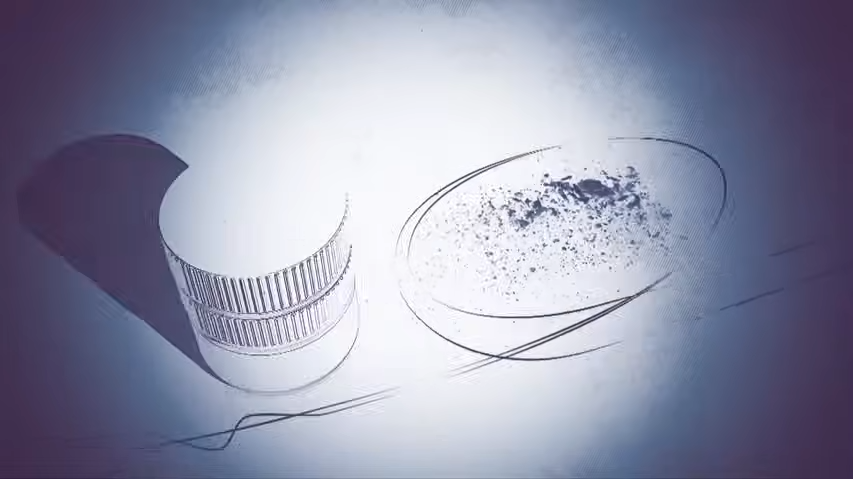
I worked with the brilliant team at Channel 4 News, who all pulled together to make a picture-light story engaging. A large amount of time was spent discussing and developing treatment ideas with Ian Watkins (head of graphics) to illustrate and animate Alice’s story*.
Maddie Watkare
I loved thinking out loud with our editor Katy Brown, before filming commenced. These conversations are vital to ensure we all get the best out of the resources given.
Since the broadcast…
Since the broadcast of The Silence of Domestic Spiking in April 2025, the issue has gained further national attention. It’s a positive reminder of how urgent this conversation is.
This work will also contribute to the panel I’ll be leading in New York. My session is titled “Too Grim to Print: How Journalism Silences Coercive Control and How We Broke Through.” will open the Coercive Control Conference at John Jay College this April. I’ll be joined by three amazing women; Dr Amy Burrell, Comms Specialist Teresa Parker and Survivor/Campaigner Natalie Queiroz MBE.
Natalie was stabbed over 20 times by her partner when she was eight months pregnant. She has rebuilt her life, inspired people with her courage and refusal to be bowed by her trauma.
I’m honoured and really looking forward to this collaboration. You can read more about it here.
The Silence of Domestic Spiking Credits:
Original Idea & Producer : Ena Miller
Correspondent: Ria Chatterjee
Camera: Vic Marwaha, James Betteridge
GFX & Animation: Ian Watkins
Edit: Katy Brown